When a property becomes cold, it can lead to all kinds of problems. The first issue is that the longer a home has been too cold, the longer it will take to warm up – and that’s not only uncomfortable to live in, but it can also be expensive, because you’ll need to have the heating on for much longer before you feel the benefit.
Then there’s the fact that a cold home is more likely to suffer from damp and mould, and you or your tenant are also at greater risk of health problems. Breathing in cold air alone can irritate your airways, and mould spores can trigger respiratory infections.
Badly insulated pipes that are allowed to get cold can freeze and burst, causing flooding. And if that’s happened because of your own neglect, your property insurance may not pay out. Meanwhile, if brickwork has become penetrated by water that freezes and then thaws in the winter, it can cause structural cracks that could be expensive to repair.
But, many of these problems can be avoided entirely by simply making sure your home is heated properly.
However, with today's heating costs, if a property isn’t energy efficient and heat is escaping, you could be spending far more than you need to. And if your energy isn’t coming from a renewable source, your carbon footprint is likely to be much higher than it should be. While modern homes are fairly easy to keep warm, older properties that haven’t been upgraded in the last couple of decades are likely to have one or both of these issues.
The good news is that there is a lot you can do to bring most older homes much closer to modern standards.
If you have an older property and some capital available to invest, ‘retrofitting’ it to incorporate energy-efficiency measures could not only help keep the place warmer in an environmentally friendly way but also boost the property’s value.
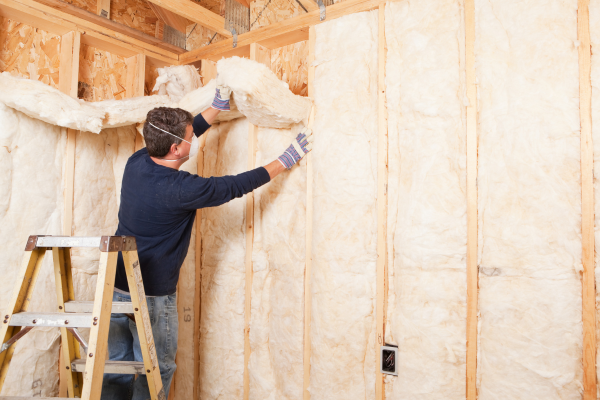
Retrofits include:
• Installing insulation to help prevent heat escaping
• Improving airtightness to prevent draughts
• Improving ventilation (without losing heat) to help avoid condensation and mould
• Installing sustainable heating, such as an air or ground source heat pump
• Fitting a renewable energy source, such as solar panels, wind turbine or biomass
Judith Leary-Joyce, an eco-renovation and retrofit advocate and author of ‘What the Builder Won’t Tell You’, did all this in her Victorian terrace. She says, “We’re saving 75% of our energy usage. We’re also considerably warmer and our house is worth £90,000 more than the equivalent home that hasn’t been retrofitted.”
But if you want to make these changes, you’ll need to do your homework, because you can’t necessarily rely on a builder to be as eco-conscious as you are. From her own experience, Judith warns that energy efficiency is not necessarily at the forefront of builders’ minds:
“It may not even be on their radar. The most they’re likely to do is suggest standard levels of insulation and a more efficient gas boiler. You need to know what the builder can’t or won’t think to tell you. And, if they do tell you, you need to be able to understand what they’re saying.”
5 things you can do now to help protect your property from the cold
1. Make sure the loft is properly insulated - an uninsulated home loses around 25% of its heat through the roof! 270mm of insulation is the recommended depth for new homes.
2. Put lagging round your water pipes to help prevent them freezing.
3. Fit draught excluders to the bottom of external doors and if you have open chimneys above fireplaces that aren’t being used, fit an inflatable draught excluder – they only cost around £20.
4. Have the heating on regularly so you don’t allow the fabric of the property to become too cold. Ideally, set a timer for it to come on low automatically a couple of times a day, even when you’re not there.
5. Check the exterior of the property to make sure it’s wind and watertight. Make sure there are no gaps in the roof, the gutters are in good condition, drains are clear, and there are no cracks in the brickwork.
If you would like to discuss making improvements of any kind that will help keep your home in the best possible condition and protect its value, just get in touch with your nearest branch - we’re always here to help.