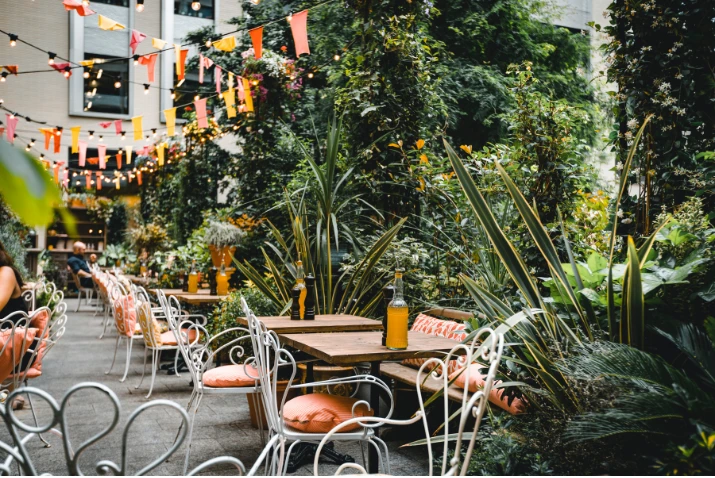
As the London sun finally makes an appearance, the city’s social life migrates outdoors. But look closer at the bustling terraces of Northcote Road in Battersea or the pedestrianised charm of Exmouth Market in Clerkenwell, and you’ll see more than just a great spot for a spritz. You’re looking at a powerful driver of property value.
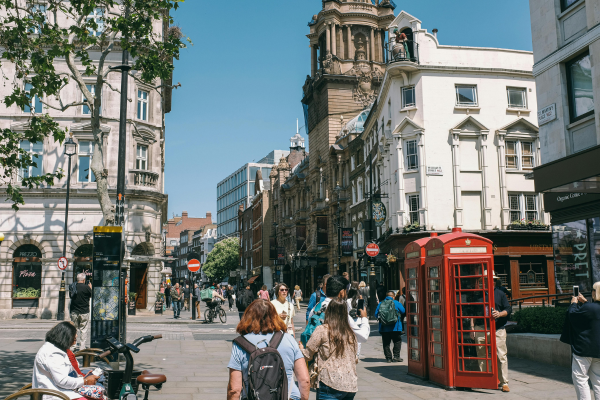
1. The pedestrian premium
Research into London's "street appeal" has shown that significant improvements to the pedestrian experience - wider pavements, permanent planters, and reduced traffic - can lead to a retail rental uplift of up to 7.5% compared to unimproved streets.
For residential owners, this commercial vitality creates a "halo effect." When a high street thrives and vacancies drop, the surrounding residential postcodes become significantly more desirable for professional tenants and buyers who want "village living" in the heart of the capital.
2. Case Study: Northcote Road & "Nappy Valley"
Take Northcote Road in Battersea. It's balance of boutique retail and weekend pedestrianisation has helped push average asking prices in the area to over £818,000 this year.
The ability to walk from a specialised butcher to an "Outstanding" rated school, all while passing thriving outdoor cafes, creates a sticky community feel. Residents aren't just buying a flat; they’re buying a lifestyle where the car is redundant.
3. The "Summer Streets" boost
This summer, the return of the Mayor’s Summer Streets programme is set to transform even more pockets of London. From Rivington Street in Shoreditch to Atlantic Road in Brixton, temporary road closures and "pocket al-fresco" grants are turning gray tarmac into social hubs.
Properties located within a 5-minute walk of these "Summer Street" zones often see higher demand during peak moving season (June–August).
4. LTNs and Quiet Value
While Low Traffic Neighborhoods (LTNs) can be a point of debate, the market data in areas like Islington (N1) suggests a clear trend: buyers are willing to pay a premium for serenity. The combination of Upper Street’s bustling outdoor dining and the quiet, low-traffic residential backstreets nearby has cemented Islington’s status as a top-tier investment zone, with rental yields holding strong at 5%.
The micro-market expansion: Where al-fresco meets high yield
The connection between café culture and property value isn't exclusive to Zone 1. Across the capital and into the commuter belt, specific micro-markets are proving that outdoor lifestyle translates directly to robust yields and premium capital growth.

East London's canal and cafe culture
In the East, the premium is driven by a mix of industrial heritage and open-air social spaces. Moving through Hackney, Dalston, and Clapton, proximity to London Fields and the pedestrian-friendly stretches of Mare Street or Kingsland High Street keeps rental demand exceptionally high. Further south in Canary Wharf, the expansion of boardwalk dining along the docks has shifted the area from a sterile financial hub to a legitimate summer residential destination.
The Central & City fringe "village" vibe
On the edges of the City, historic commercial zones transform into open-air hubs during the summer months. Clerkenwell benefits immensely from the pedestrianised charm around Farringdon and St. John Street, attracting corporate tenants who want to walk to work but dine al-fresco. Similarly, the historic lanes around Bermondsey Street and London Bridge showcase how preservation and outdoor restaurant seating can drive some of the highest price-per-square-foot metrics in South London.
South East regeneration and green space
The South East offers the perfect intersection of rapid regeneration and expansive green spaces. Areas like Lewisham, Greenwich, and Blackheath offer an established village feel where open-air farmers' markets directly bolster local property appeal. Meanwhile, hotspots like Peckham, New Cross, and Forest Hill blend creative outdoor arts venues with great independent high streets, offering an attractive, energetic lifestyle for young professionals pushing outward from the centre.
West & South West suburban elegance
In West London, the desire for outdoor living takes on a highly leafy, premium character. From the riverside terraces of Chiswick and Twickenham to the open expanses of Putney and Earlsfield, proximity to the Thames and expansive commons is the primary value driver. Buyers and tenants in these postcodes are explicitly looking for properties that sit within a short stroll of vibrant, tree-lined high streets and outdoor dining squares.
The commuter belt transition
The desire for a walkable, al-fresco lifestyle doesn't stop at the London border. In highly sought-after Surrey locations like Guildford and Woking, or riverside towns like Staines-upon-Thames and Sunbury-on-Thames, the closer a property is to the historic, cobbled high streets or the river paths, the higher its premium. The modern commuter still wants the "London lifestyle" - they just want it with more square footage.
The bottom line is in a world of hybrid work, our local streets have become our living rooms. If the street looks good and allows for an outdoor lifestyle, the property value usually follows.